Pavers Installation in Naples, FL by Naples Premier Pavers Protection. New paver driveways, walkways, patios and pool decks set on a properly compacted base built for Florida's sandy ground.
What you are actually buying
Naples sits on sandy, loose soil, and that changes how a paver job needs to be built from the ground up. Skip proper base compaction and you get pavers that sink, rock underfoot, or shift into waves after a couple of rainy seasons. It is the single most common failure point, and it is invisible once the surface is down, which is exactly why it gets skipped by installers in a hurry.
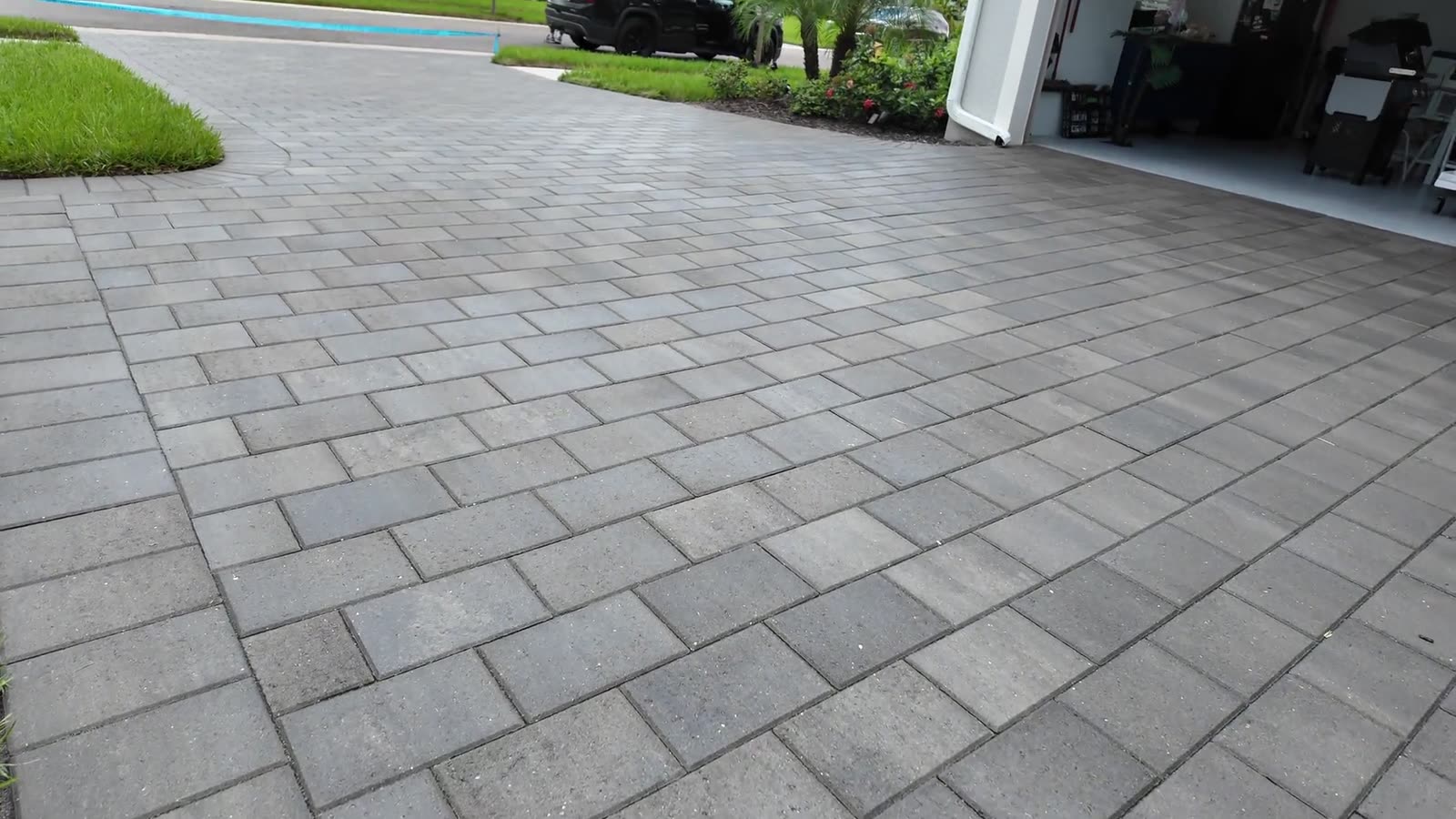
A correct install starts below grade, not with the pavers themselves. The base material has to be compacted in layers, graded for drainage so water moves away from the house instead of pooling, and the bedding sand has to sit at a consistent depth across the whole area. Edge restraints hold the whole field in place so pavers do not creep outward over time, and joint sand, ideally polymeric, keeps weeds from finding a way up.
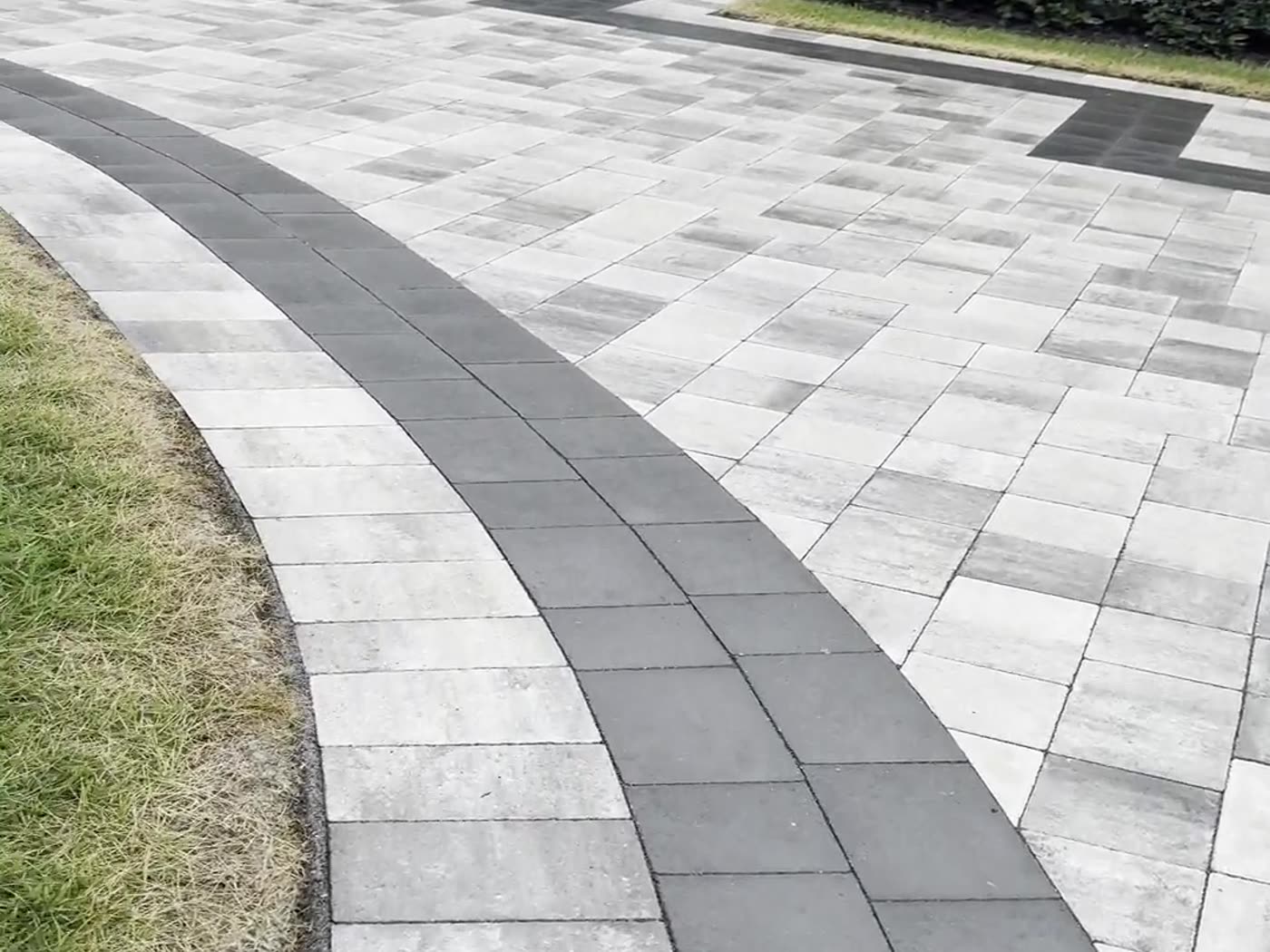
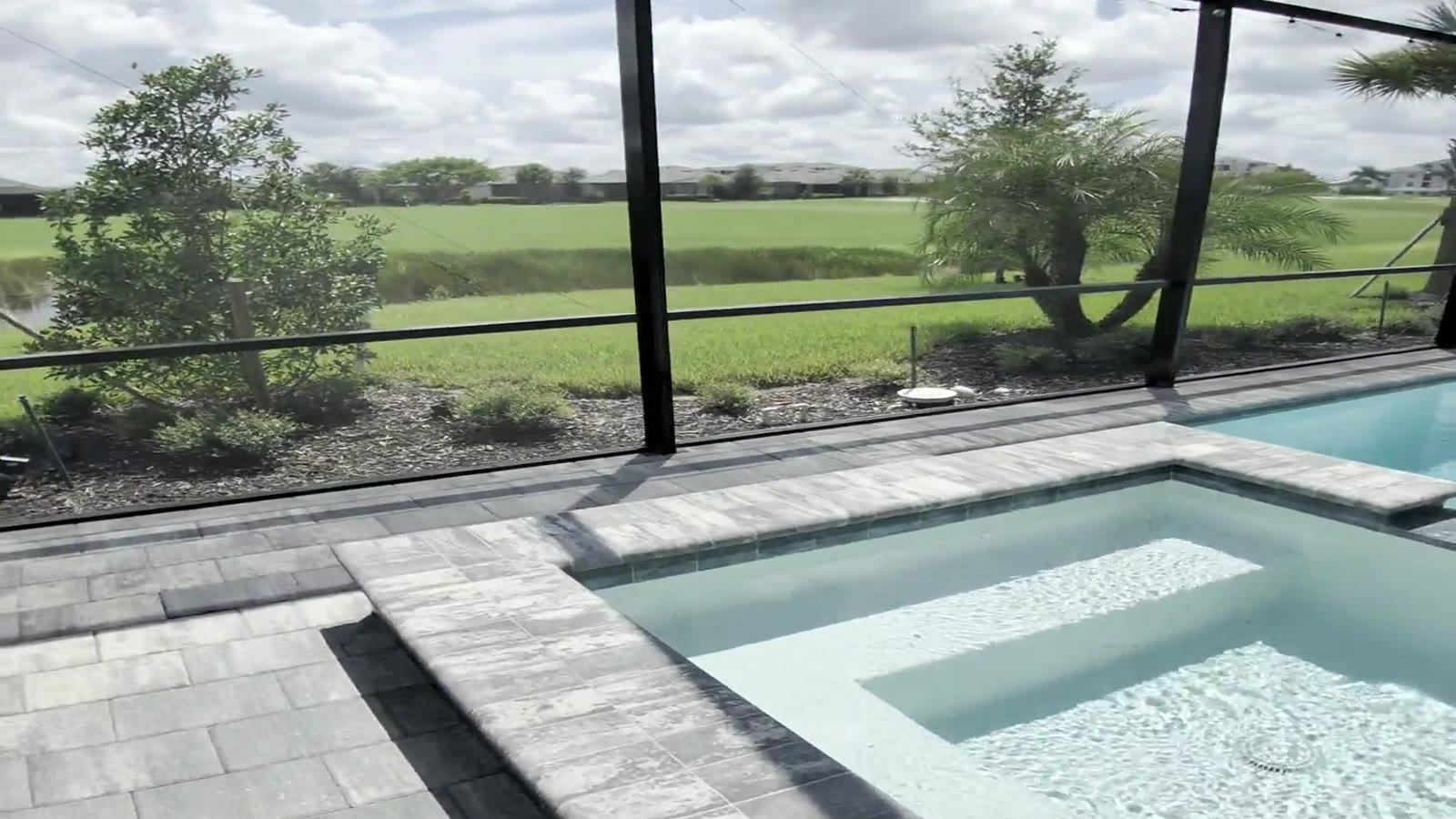
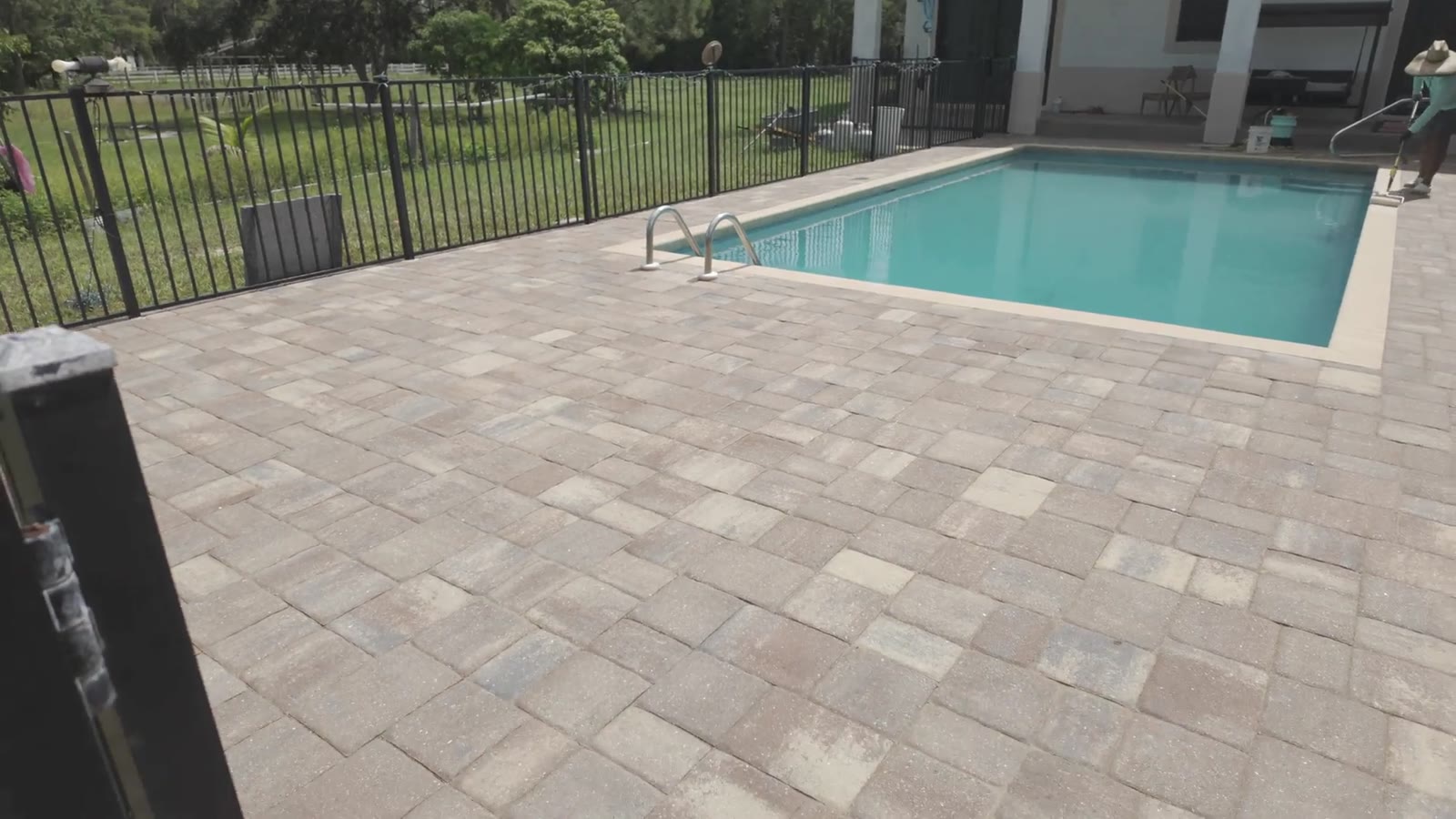
Material choice matters too. Travertine and shell stone stay cooler underfoot around a pool, concrete pavers hold up well on driveways under vehicle weight, and pattern choice affects both how the surface looks and how well it locks together under load.
What the job includes
- Excavation and grading to the correct depth and slope for drainage
- Compacted aggregate base layer suited to sandy Naples soil
- Bedding sand laid to a consistent, screeded depth
- Paver laying in the chosen pattern with clean cuts at edges and borders
- Edge restraints installed to stop lateral shifting over time
- Joint sand compaction to finish and lock the surface
How it runs
-
Design and layout
We work out paver choice, pattern and drainage slope before any digging starts.
-
Excavate and grade
The area is dug out to the right depth and graded so water sheds away from structures.
-
Base compaction
Aggregate base goes down in compacted layers, which is what actually keeps the surface from sinking or shifting later.
-
Sand bed and laying
A screeded sand bed goes down and pavers are set in the chosen pattern, tight and level.
-
Cutting and edging
Border pavers get cut to fit and edge restraints go in to lock the field.
-
Joint sand and compaction
Sand is swept into the joints and compacted so the whole surface locks together as one unit.
Where a paver job is actually won
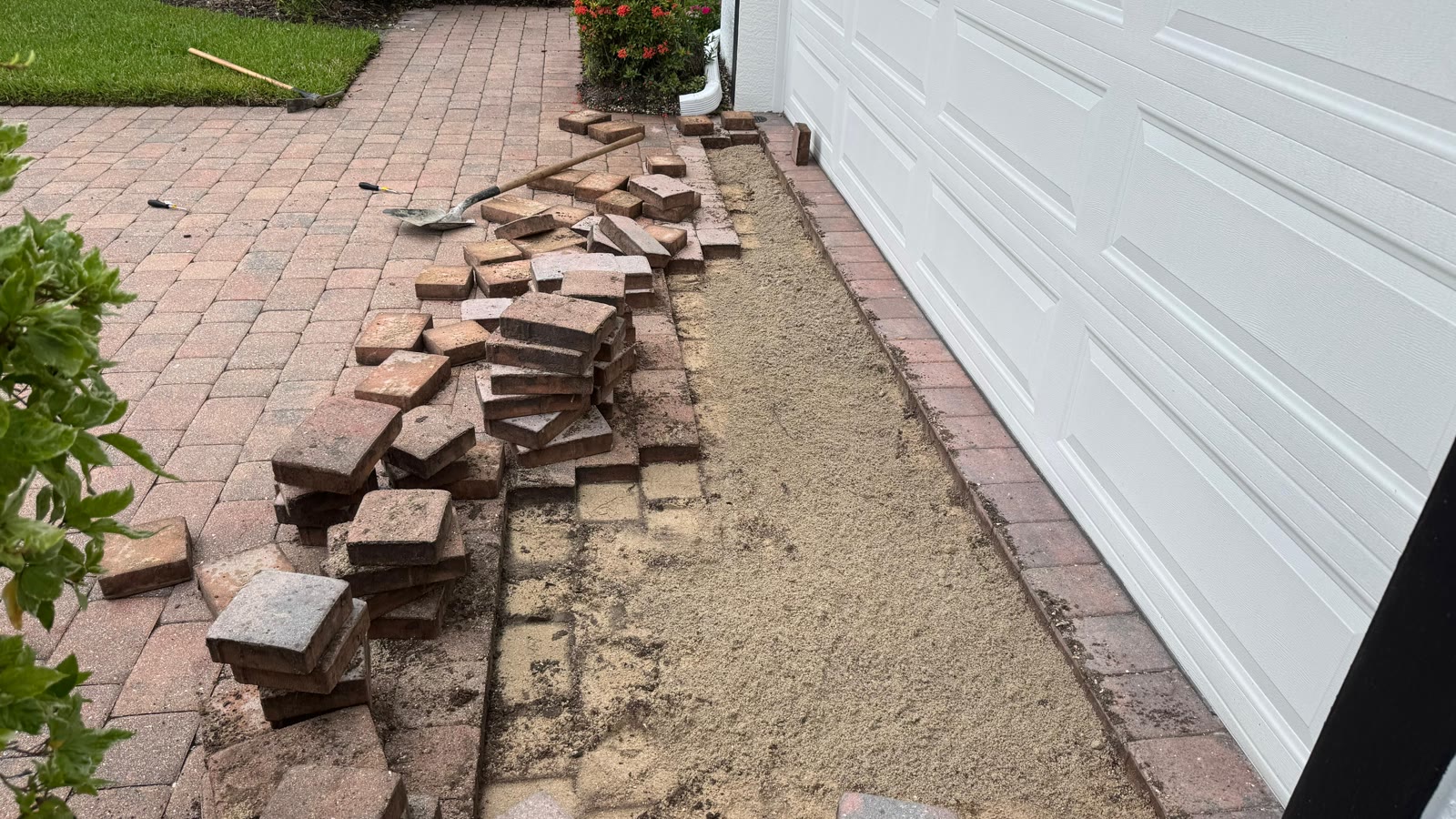
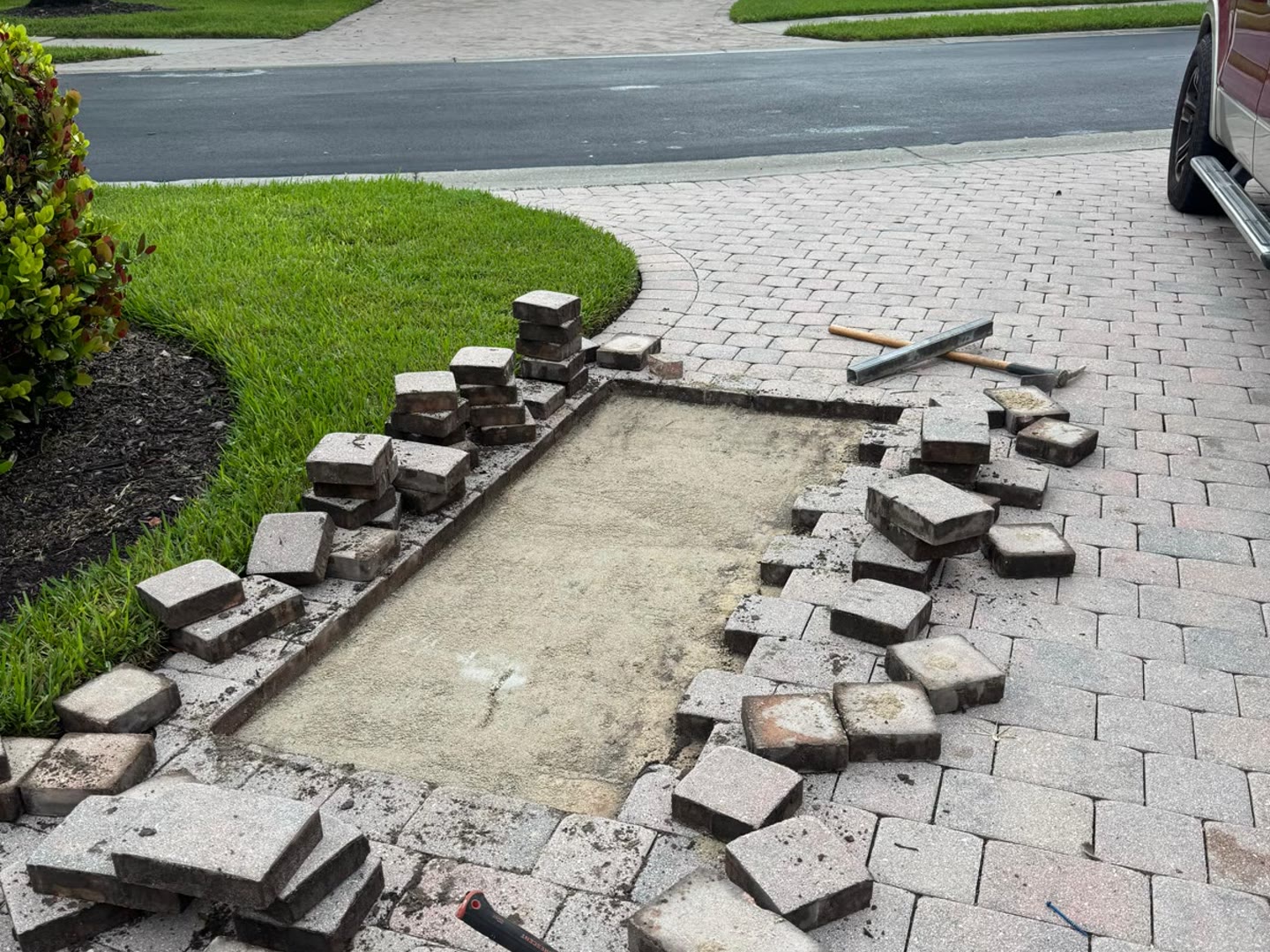
Pavers sink because the base under them moved, not because the pavers failed. Putting that right means lifting the affected area, re-grading and compacting the base beneath it, then resetting the same pavers so the surface still matches.
It is the part nobody photographs and the part that decides whether the surface is still flat in five years.
Pavers Installation near you
Serving Naples, Marco Island, Bonita Springs and Estero. If your town is not on this list, call and ask. It is a short drive either way.
Questions about pavers installation
Why do some paver driveways sink or shift after a few years?
Almost always it comes down to an inadequate base. Sandy Naples soil needs proper aggregate base compacted in layers, and skipping that step is invisible on installation day but shows up as sinking, rocking pavers within a year or two.
What paver material works best around a pool?
Travertine and shell stone stay noticeably cooler underfoot in direct sun, which matters a lot on a Naples pool deck. Concrete pavers are a solid, budget friendly option for driveways where heat underfoot is not the concern.
How does drainage factor into installation?
The base and surface both need to be graded so water moves away from the house and does not pool on the paver surface. Poor grading is a common cause of standing water and premature paver damage.
Should new pavers be sealed right away?
New pavers are typically left to settle for a period before sealing so the surface and joint sand stabilize first. We can talk through timing specific to your job once installation is complete.
How long does paver sealing last?
Two coats of Cobble Loc over clean, re-sanded pavers gives up to five years of protection. Sun, rain and how much traffic the surface takes all move that number, so we tell you where yours stands when we look at it.
Do you re-sand the joints or just seal over them?
We re-sand. The joints get color matched Trident sand set with the wet sanding method before any sealer goes down. Sealing over empty or dirty joints is why pavers shift and weeds come back.
Other things we do
Pavers Sealing
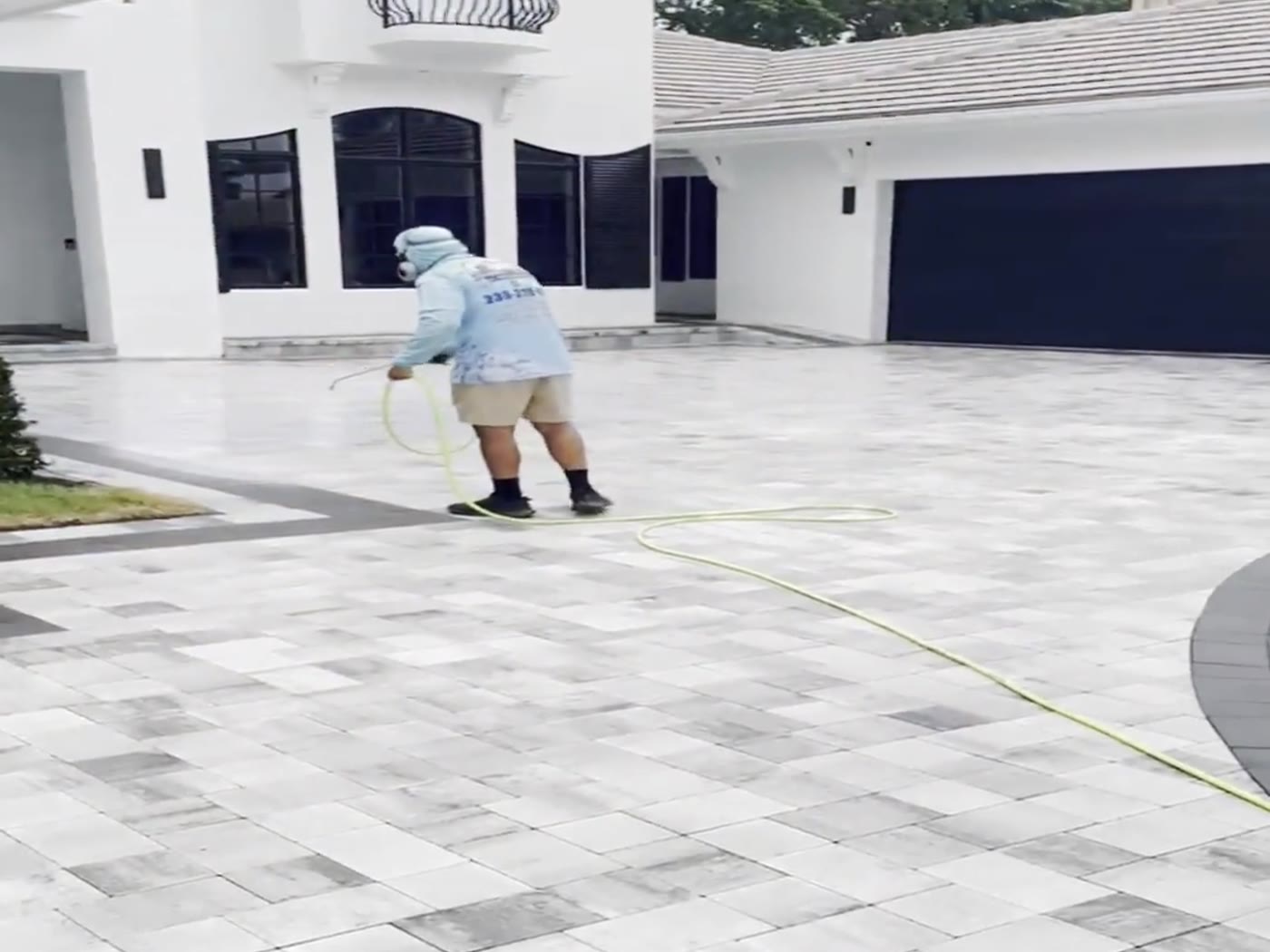
Driveways, pool decks and patios in pavers, natural stone and marble. Cleaned, joints re-sanded, then a sealer that brings the color back or keeps stains and mold off the stone.
More on this →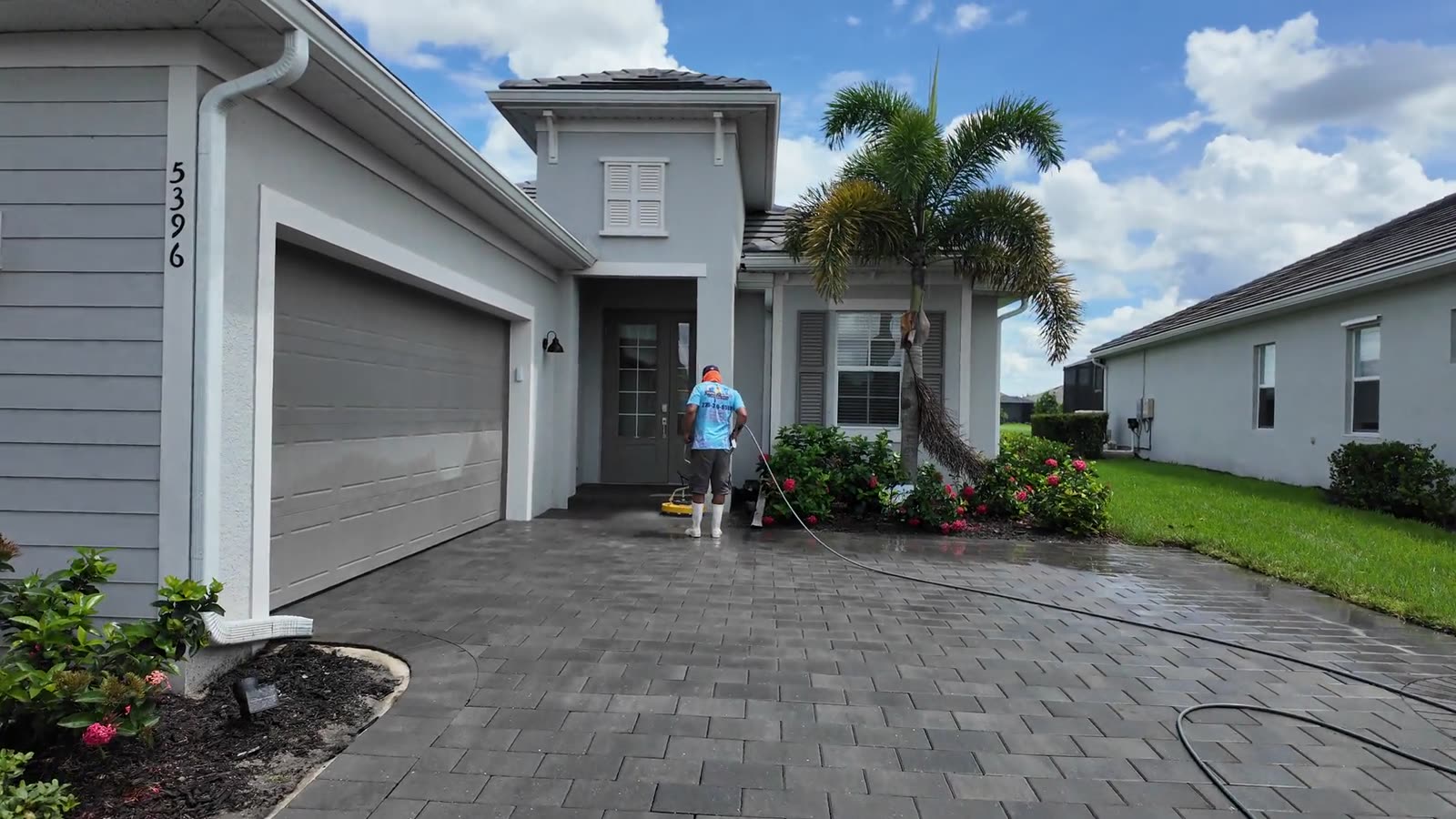
Pressure Washing
Driveways, walkways and pool decks washed back to clean paver. Mold, algae, stains and buildup come off without chewing up the surface.
More on this →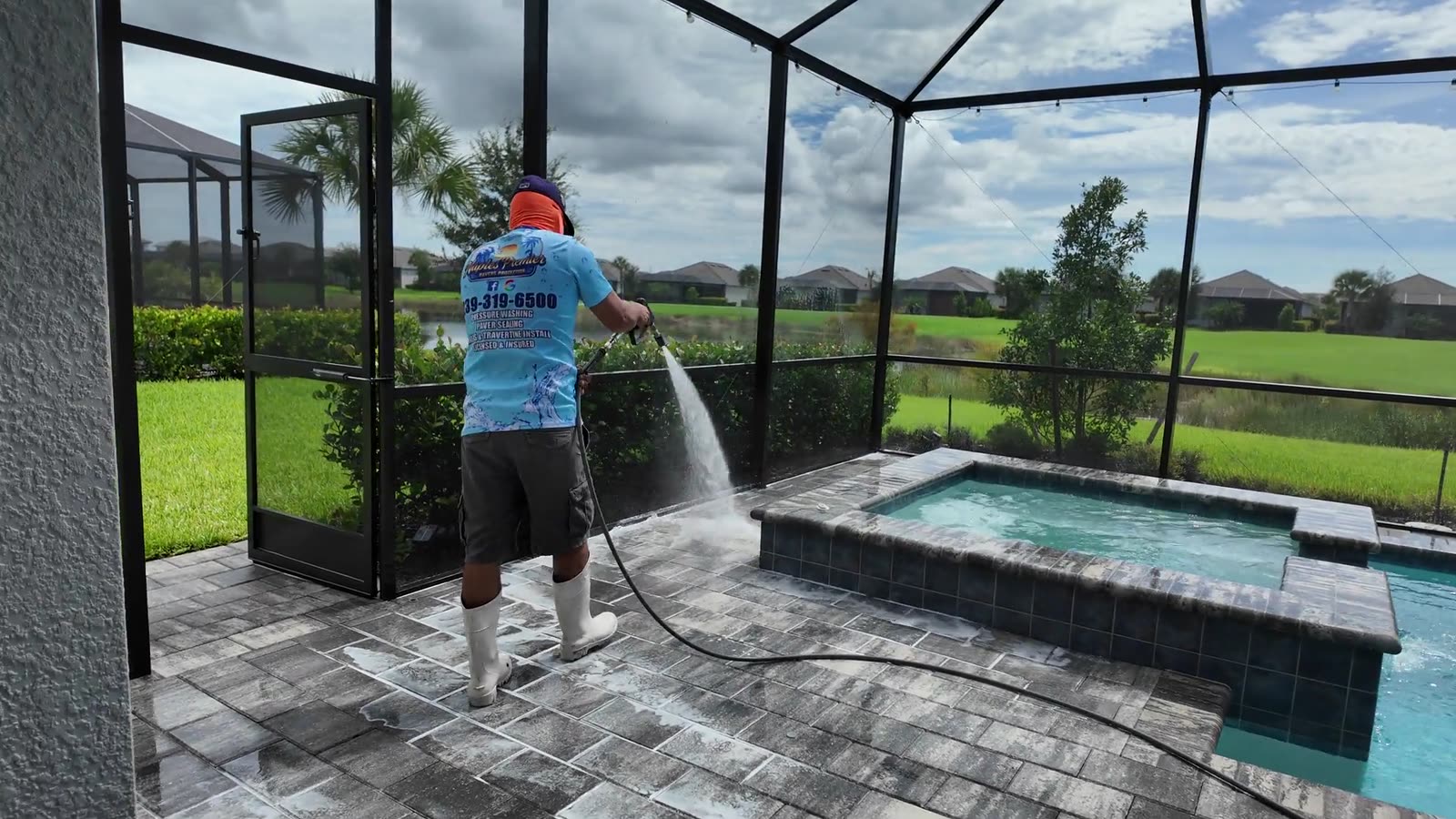
Soft Wash
Low pressure and the right cleaning mix for screen cages, lanais and anything a pressure washer would damage.
More on this →